Council & Business
31 October, 2025
Ararat and Central Goldfields council workers anticipate better conditions
Ararat Rural City and Central Goldfields Shire Council workers are on the cusp of an agreement that will set a new precedent for local government.
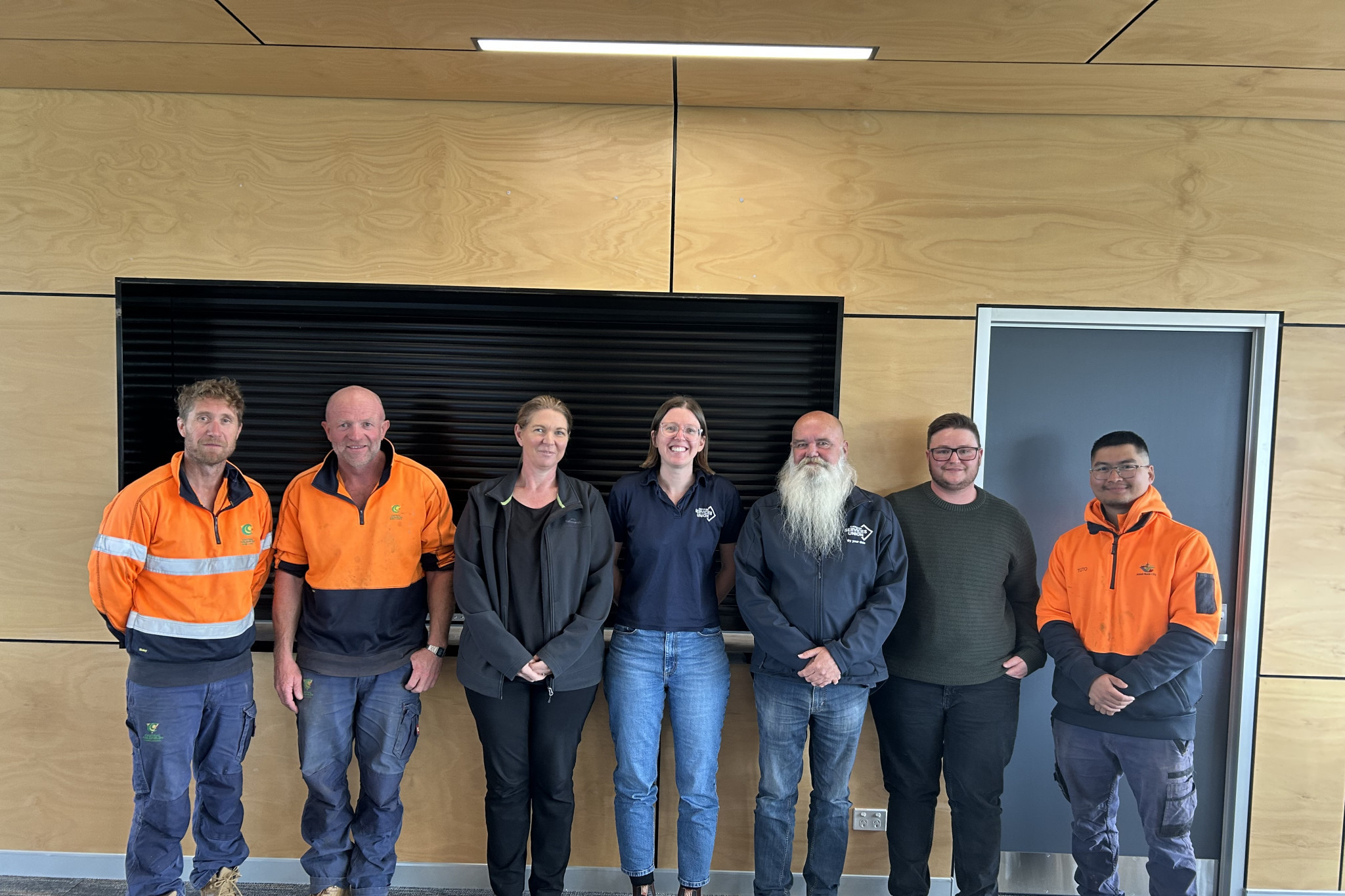
After over a year of bargaining, hundreds of workers across Ararat Rural City and Central Goldfields Shire Council may soon secure an annual pay rise of at least three percent and a minimum weekly pay increase of $50 per week.
According to the Australian Services Union (ASU), their members have reached a mutually agreed position with the councils and are now taking it to a vote.
Should that vote pass, which the ASU is confident will happen, and both councils endorse the agreement, the union said it will be among the first in the nation’s history.
“This is a historic moment, not just for the hundreds of workers who will benefit, but for the entire local government sector,” said Victorian and Tasmanian ASU branch secretary Tash Wark.
They explained the landmark multi-employer bargaining agreement is one of the first major agreements secured under the Federal Government’s new Secure Jobs, Better Pay laws.
“This agreement proves that the new multi-employer bargaining laws work,” Ms Wark said.
“They allow workers in regional areas to band together for a fair deal that their councils tried to deny them.”
However, Ms Wark said the denial largely came from the Central Goldfields Shire Council.
Despite the support of staff and Ararat council’s consent, Central Goldfields Shire Council disputed the agreement at both the Fair Work Commission and Federal Court — losing both.
“We know that’s been costly, it’s wasteful, it’s taken a long time to get to this point. Members in both workplaces have stood strong and in solidarity for over a year to get to this outcome,” she said.
“They have been completely vindicated.”
Ararat Rural City Council CEO Tim Harrison said they have been committed to providing certainty for staff throughout the process.
“We are pleased with the positive progress made so far in our employer bargaining agreement negotiations, with only a small number of items remaining to be resolved,” he said.
“While several steps remain, including Fair Work Commission approval, we anticipate the new agreement could be fully endorsed within the next four weeks.”
Central Goldfields Shire Council said in a statement that the final drafting of the agreement in detail would be completed in a matter of days.
“We are confident of a positive outcome and will await a staff vote before commenting further,” they said.
According to the ASU, the three-year agreement locks in:
Ararat Rural City Council: Workers will receive four percent or $55 per week (whichever is greater) in the first year, followed by 3.5 percent or $50 per week (whichever is greater) for the next two years.
Central Goldfields Shire Council: Workers will receive three percent or $50 per week (whichever is greater) each year for the three years.
The ASU also said the agreement delivers “significant improvements to conditions”, including better redundancy provisions, new entitlements for early childhood educators, and dedicated emergency services leave for CFA and SES volunteers.
Now that the end is approaching, Ms Wark said she’s glad to reach the next step.
“We’re glad to be able to move on to the next phase, lock it down, and let everyone get on with just doing their jobs,” she said.
Beyond the regional councils of Central Goldfields and Ararat, Ms Wark said the multi-employer bargaining agreement could include other shires in future.
“Those concepts of whether there’s common interest or not, which is one of those legal principles under multi-employer bargaining, have been tested repeatedly at the Fair Work Commission … and then by the Federal Court and we won those arguments every time,” she said.
“We think there’s good grounds to make the argument ... at the next regional council,” she said.